Types of Lamination
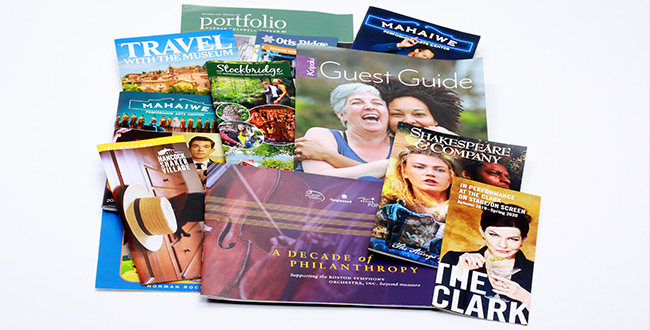
Laminating has been popular for a very long time and it shows no sign of going away. Why would it? There are many different reasons you might want to have something laminated and with that type of demand comes variation to deliver a customized end product. This means there are a number of different types of lamination.
In this article we’ll cover these three lamination types
- Matte Lamination
- Glossy Lamination
- Soft Touch Lamination
Benefits of Lamination
First off let’s talk about the actual benefits of laminating something. From the beginning laminating was really focused on preservation of something that wasn’t very durable, but there is more to laminating than just that.
We’ve listed here some of the most common benefits of laminating things.
- Protect from Abrasion / Scratching
Many items that get laminated are prone to scratching, tearing, smudging or scuffing. The last thing you want is your paper, menu or map getting torn and unusable. Laminating created a protective layer to keep that from happening. - Extend the Life of the Product by Increasing Durability
If you need something to last a long time then using a thick laminate will allow that to happen. It significantly increases the life of a product and makes it stronger so it can take daily abuse. - Avoiding Damage from Liquids
If you’re having a project done that requires printing on paper, then you run the risk of that project being damaged by water or other liquids if you don’t have it laminated. Especially if the product you are having printed will be near liquids (menus, boating brochures, etc.). - Look & Feel
Another big reason to laminate something is to give it a unique look and feel. By adding laminate you can make something flat, somewhat shiny or very glossy (which we go into more detail later). This can match the theme of your piece or simply be a nice differentiating feature. - UV Light Protection
Lastly, by laminating something you can protect it from UV light. Unfortunately ultraviolet light damages paper and will significantly alter the look and/or the lifespan of the piece. So have it laminated to avoid those issues.
Matte Lamination
Matte lamination, is also referred to as matte lamination, which is a finishing technique used in printing and design to give printed materials a non-glossy, matte appearance. This is also commonly referred to as “flat”. It involves applying a matte film coating onto the surface of a printed document or packaging.
This type of lamination is non-reflective and versatile in that it can be used across all types of themes such as premium looks, rustic or to look as simple and affordable as possible. Matte is classic and a big favorite of ours.
Glossy Lamination
Glossy lamination is also a finishing technique used in printing & graphic design that is used to enhance the appearance and durability of printed materials. It involves applying a thin layer of glossy plastic film, typically made of polypropylene or polyester, onto the surface of a printed document or packaging.
Unlike matte lamination, this is highly reflective and will give that “shiny” look to anything it gets applied to. For designers this is the perfect way to showcase your work or to match to the overall theme of the work.
Soft Touch Lamination
Soft touch lamination is our last type of finishing technique that gets used in printing and graphic design which is used to create a tactile and luxurious feel on printed materials. It involves applying a special matte film coating to the surface of the printed document or packaging that has texture-like properties.
Unlike glossy lamination, which creates a shiny and reflective finish, soft touch lamination creates a velvety or suede-like texture that is smooth to the touch. The film used for soft touch lamination is typically made of a combination of plastic and additives that give it a soft, tactile quality.
Projects using this type of lamination are typically meant to look more high end and are considered to be more premium.
Common Laminated Products
There really is no limit to what you can have laminated and the more creative you get the better. One of the things we love to do is share ideas to businesses, marketers and designers so just to give some quick inspiration here is a list of the most common laminated products you find most often used
-
- Reports
- Maps
- Posters
- Brochures
- Flyers
- Booklets
- Catalogs
- Menus
- Stickers
- Calendars
- ID Cards
- Business Cards
- Instruction Sheets
- And More
Again this isn’t an exhaustive list but it covers the majority of the most common products that are best to have laminated.
Remember that lamination is both functional and stylistic so think about both when deciding on your laminating options. And know that there are a number of types of lamination at your disposal that you can pull from to make your project come to life and last a long time.
Print Lamination FAQs
What is print lamination?
Lamination is the process of applying a thin protective plastic film to printed materials. It improves durability, protects against moisture and dirt, prevents tearing, and enhances the overall look of your prints.
What is the difference between hot (thermal) and cold lamination?
Hot (Thermal) Lamination
This technique uses a laminator that applies heat to melt the adhesive coating on the laminating film, bonding it securely to the printed piece. The result is a durable, long-lasting finish. However, it isn’t recommended for heat-sensitive materials, such as prints made with certain types of inks.
Cold Lamination
Instead of heat, this method relies on a pressure-sensitive film with a pre-applied adhesive that sticks to the surface when pressed down. It can be applied using a machine or manually with self-seal pouches. Cold lamination is best for materials that cannot withstand heat, or when a quick, portable solution is needed.
Can all printed materials be laminated?
Lamination can be applied to many different materials, but it works best on flat, smooth surfaces. Items with porous or textured finishes may not adhere as effectively. Just as important, prints should be completely dry before being laminated. Any leftover moisture or solvents can lead to issues such as silvering (tiny air bubbles) or even delamination. To ensure the best outcome, allow printed pieces to dry for at least 48 hours before laminating.
What thickness of lamination film should I choose?
1.5–3 mil: Flexible and cost-effective for everyday use.
5–7 mil: Provides sturdiness for menus, covers, and handouts.
10 mil: Maximum rigidity and durability for signs, ID cards, and heavy-use items.
Is lamination permanent?
Yes, most lamination is permanent because the adhesive bonds tightly with the print. Some cold lamination films can be peeled off, but typically once laminated, the process cannot be reversed without damaging the material.
How long should prints dry before lamination?
It’s best to let prints dry for at least 24–48 hours before laminating. Any trapped moisture or solvents can cause bubbling, hazing (“silvering”), or peeling.
Can laminated prints be written on?
Yes.
- Gloss lamination works with permanent markers.
- Matte lamination allows some pens and pencils to write on it.
- For reusable surfaces, dry-erase lamination is best.
Is lamination waterproof?
Lamination is water-resistant but not 100% waterproof. It protects against spills and splashes, but submerged materials may still get damaged at the edges.
How long does lamination last?
Laminated prints can last years, depending on handling and exposure. Heavier-duty laminates and UV protection can extend the lifespan further.
What sizes can you laminate?
We can laminate everything from business cards and menus to large-format posters and banners. The largest size you can laminate depends on the equipment. Wide-format laminators can typically handle materials up to 40 to 60 inches wide.
Is lamination expensive?
Lamination adds a small cost per piece, but it saves money in the long run by protecting prints from damage and extending their usability.
Are there eco-friendly lamination options?
Yes. Biodegradable and recyclable lamination films are available, though they may cost slightly more than standard films.
Contact us now
For more information and if you need assistance with printing and print marketing
Phone: (413) 442-4166
Blog Form
+ More Articles
Special Finishes Articles
More stories from Qualprint...
Elevating Charity Galas with Premium Event Printing Solutions
A charity gala is more than a simple gathering. It is a calculated statement of mission and a direct call to action for your most valued...
High End Sustainable Printing Services for Modern Brands
Many modern organizations are reevaluating their physical impact by choosing production methods that align with their environmental values...
Streamline Your Marketing Material Distribution with Expert Print Fulfillment Services
In the competitive landscape of modern business, effective marketing is paramount to growth. Yet, many organizations struggle with the...