
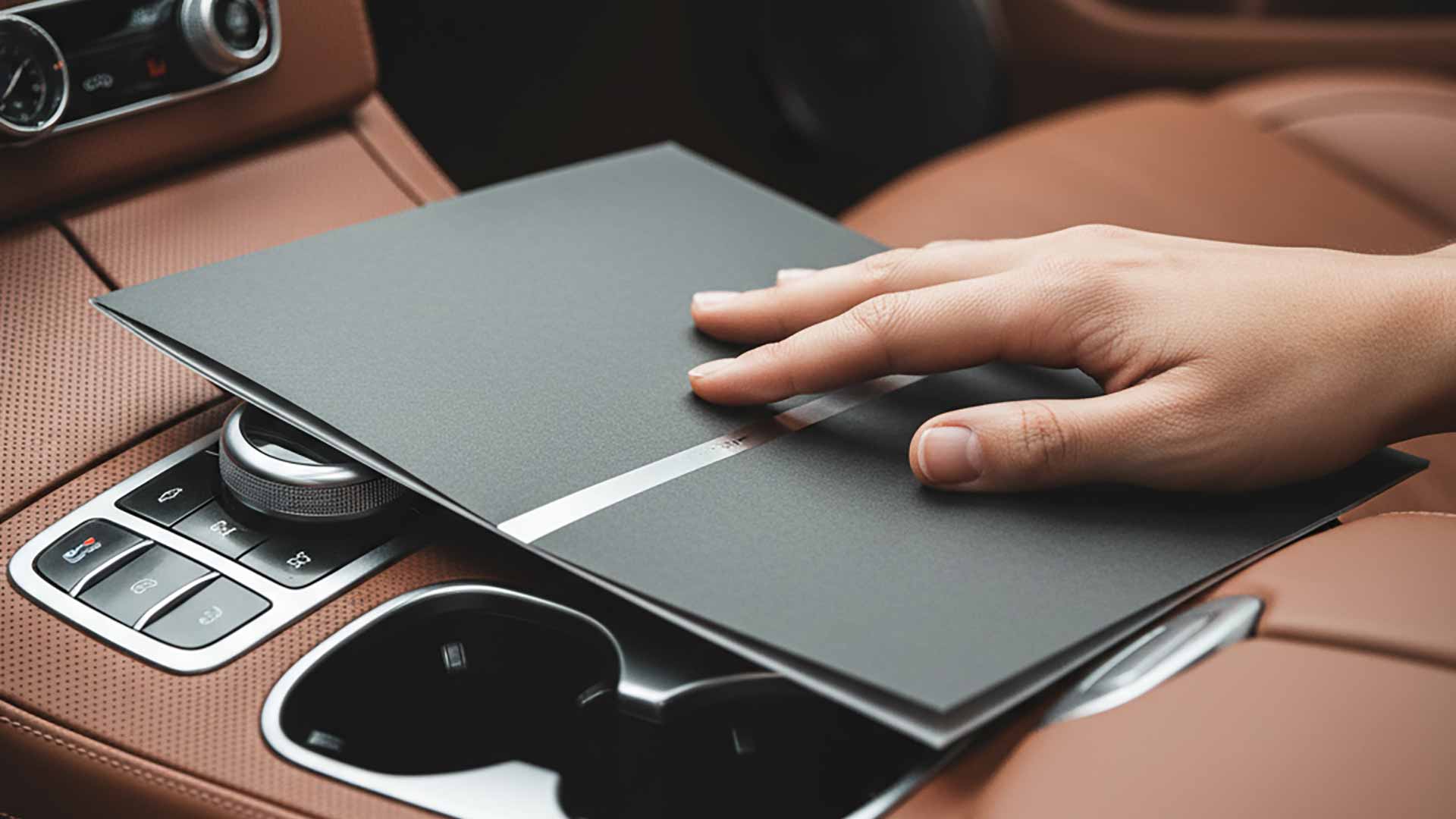
The satisfying thud of a car door closing tells a potential buyer more about safety and build quality than a thousand words of copy ever could. In the automotive industry, sensory inputs are the primary drivers of value perception. However, when a brand manager needs to communicate that engineering excellence outside the showroom, the challenge becomes significantly more complex. You cannot email the feeling of a leather-wrapped steering wheel, nor can a banner ad replicate the gleam of metallic paint under showroom lights. This is where high-quality print collateral bridges the gap. By understanding the psychology of touch, or haptics, marketing directors can create physical touchpoints that subconsciously signal the same prestige and authority as the vehicles themselves. If a prospect holds a flimsy piece of paper, their subconscious immediately registers “cheap” or “unsubstantial,” attributes no luxury brand wants associated with their name. By leveraging premium print substrates and finishing techniques, marketing directors can trigger the same neural pathways that a test drive activates, ensuring the brand narrative remains consistent from the mailbox to the driver’s seat.
Science of Haptics and Embodied Cognition in Luxury Car Marketing
Luxury car marketing is effectively the management of perception, and psychology tells us that touch is one of the most persuasive senses available to us. Embodied cognition is the theory that our physical bodily interactions directly influence our mental states. When a potential customer holds a heavy, textured brochure, their brain translates that physical weight into conceptual importance. This is not a metaphor. It is a neurological association that smart marketers can exploit to elevate brand positioning.
The Neural Link Between Weight and Worth
Research in consumer psychology has repeatedly demonstrated that heavier objects are perceived as more valuable and authoritative. In the context of automotive marketing, a substantial printed piece suggests that the company is stable, the product is durable, and the offer is serious. Conversely, lightweight materials are subconsciously categorized as disposable or temporary.
Texture and Trustworthiness
Beyond weight, the texture of the paper influences the perception of the brand’s intent. This consideration is vital in automotive commercial printing. Rough, unfinished textures can imply ruggedness or eco-friendliness, which may suit an off-road utility vehicle. However, for a luxury sedan or high-performance sports car, the expectation is smoothness and precision. A surface that feels chaotic or cheap creates cognitive dissonance when paired with a price tag in the six figures. The print material must validate the price point before the customer even reads the specifications.
Effective Tactile Marketing by Engineering the Paper to Match the Vehicle
Just as a vehicle is engineered for performance, print collateral must be engineered for impact. The selection of substrates is not merely a logistical choice but a strategic one that defines how the brand is received in a competitive market, playing a critical role in effective tactile marketing.
Selecting the Right Stock Characteristics
- Coated vs. Uncoated: A high-gloss coated sheet might seem appropriate for showcasing photography, but it often feels cold and impersonal to the touch. A premium uncoated or silk-coated stock, however, offers a tactile warmth that invites the user to linger on the page. This mimics the inviting nature of a luxury car interior, encouraging the prospect to spend more time with the brand messaging.
- Thickness and Rigidity: Standard paper stocks succumb to gravity; they bend and flop in the hand. A luxury car does not flex, and neither should its representation. Using a cover stock that is 100lb or heavier ensures the brochure holds its shape, mirroring the structural integrity of a high-performance chassis. This rigidity communicates safety and reliability.
Finishing Techniques That Mimic Automotive Textures
To truly capture the essence of a luxury vehicle, print production must utilize finishing techniques that simulate the actual materials found in the car. This goes beyond simple visual representation and moves into tactile mimicry, allowing the customer to “feel” the car before they see it.
Soft-Touch Aqueous Coating
This finish creates a velvety texture that is nearly indistinguishable from the sensation of touching high-grade Nappa leather. It eliminates the “plasticky” feel of standard lamination and adds a layer of sensory luxury. When a prospect runs their fingers over a brochure treated with soft-touch coating, they are subconsciously reminded of the steering wheel or the seats of a high-end vehicle.
Spot UV and High-Build Varnish
To replicate the experience of running a hand over a car’s fender, Spot UV can be applied over images of the vehicle. This creates a slick, raised surface that contrasts with the matte paper, simulating the difference between the car’s body and the surrounding environment. It draws the eye and the finger to the product, creating an interactive experience.
Foil Stamping
Chrome accents are a staple of automotive design. Using metallic foil stamping for logos or trim details on the brochure reflects light exactly as the metal on the car does. This provides a visual and textural anchor of value, reinforcing the premium nature of the brand identity.
Securing Brand Loyalty Through Sensory Branding Consistency
The goal of repositioning a vehicle or penetrating a new market requires disrupting the status quo of the consumer’s mind. This is where sensory branding excels. Visuals alone are often filtered out as noise in a crowded marketplace. However, tactile stimuli are processed differently and are harder to ignore. By aligning the physical quality of marketing materials with the engineering quality of the automobile, brands create a seamless narrative that builds trust. When the brochure feels as expensive as the car looks, the price point is validated before the negotiation ever begins. Marketing directors who master this translation of physical value into printed matter will find their campaigns yield higher engagement and stronger brand equity.
Contact Us Now for More Information
Phone: (413) 442-4166

Recent Comments