

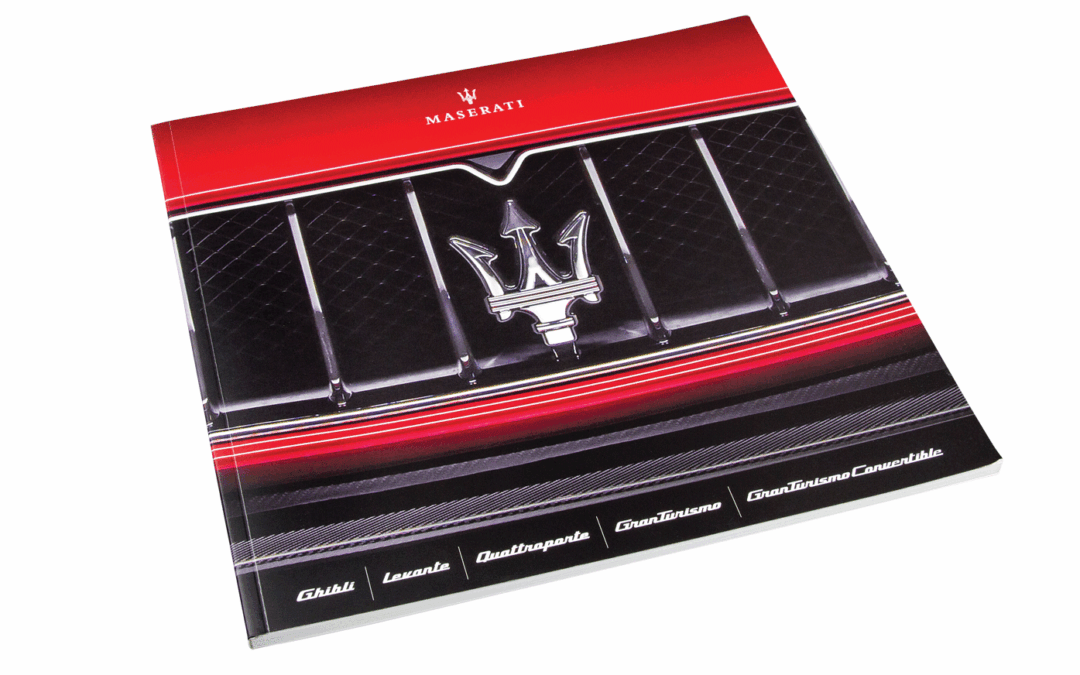
Printed marketing campaigns can deliver a very powerful tactile impact when executed right. For print buyers investing in premium materials and high-end design, specialty finishes like soft-touch coatings, foil stamping, embossing, and spot UV aren’t just decorative extras, they’re strategic tools. These print finishes elevate brand perception, create memorable multi‑sensory experiences, and ultimately drive better ROI. This post dives into the psychology behind tactile design, helps you match finishes to your brand tone and audience, and arms you with expert tips to turn every print piece into a brand moment buyers remember.
Understanding the Psychology of Touch‑Driven Luxury Print
Tactile connection creates emotional value
Soft-touch and velvet coatings, common in luxury print, trigger a nurturing sensation, often described as “luxury you can feel.” That sensation isn’t incidental. Neuromarketing studies show that consumers are more likely to perceive high-quality and emotionally connect with products they can physically engage with.
Perceived value through raised elements
Embossing and blind debossing subtly draw the eye and hand, signaling exclusivity without shouting. That restrained tactile contrast can make premium brands feel more sophisticated and worthy of higher investment.
Reflective allure equals attention and recall
Foil stamping and spot UV use visual sparkle to guide focus toward key elements, logos, call‑to‑actions, taglines, boosting memorability. These reflective effects elevate aesthetic polish and support brand recall long after the piece is viewed.
Matching Finishes to Brand Tone and Campaign Goal
Soft-Touch Coating
- Use for: Touch-friendly items (folders, premium direct mail)
- Brand tone: Warm, approachable, luxurious
- Ideal goal: Encourage physical interaction and tactile comfort
Foil Stamping
- Use for: Packaging, invitations, certificates
- Brand tone: Elegant, celebratory, premium
- Ideal goal: Highlight prestige and exclusivity
Embossing / Debossing
- Use for: Business cards, stationery, hardcover covers
- Brand tone: Subtle sophistication, timeless
- Ideal goal: Add texture for upscale perception
Spot UV
- Use for: Brochures, gloss highlights, luxury catalogs
- Brand tone: High‑contrast, dynamic, modern
- Ideal goal: Spotlight important messages with shine
3 Expert Tips To Choose the Right Finishes
1. Start with Campaign Objective
Determine whether your goal is to invite touch, draw eyes, or convey tactile quality.
- To make audiences engage by hand: go for soft‑touch.
- To subtly signal luxury: choose embossing or blind‑debossing.
- To catch attention fast: use foil or spot UV.
2. Less Is More
Overusing finishes dilutes impact and inflates cost. Pick one dominant effect and let it shine. For example, a linen‑textured direct mail piece with a small foil‑stamped logo can outperform a brochure splashed with multiple finishes.
3. Be Print‑Process Smart
Coordinate finish placement to avoid interference:
- Soft‑touch and aqueous coatings come before foil or spot UV.
- Embossing rarely pairs well with gloss unless carefully registered.
- Always request precise dieline maps from your PSP to ensure tight print vs. finish alignment.
Case Studies – High-End Print Finishes in Action
Luxury Real Estate Invitations: Soft‑touch matte folder with gold foil exterior, plus blind emboss interior map. These high-end print finishes resulted in over 70% callback rate from high‑net‑worth prospects.
Exclusive Product Launch Brochure: Matte laminated booklet with spot UV on hero image and foil accents on section headers. Result: Perceived brand quality rose by 25% in post-distribution survey.
Corporate Awards Packaging: Uncoated rigid box featuring blind‑debossed crest with foil highlights. Feedback: recipients described the box as “museum‑worthy” and “timeless.”
ROI Strategies for Premium Print Buyers
- Quantify tactile effect
Research shows items with specialty finishes have higher recall and perceived value among print buyers, which can justify higher production costs via increased response rates. - Bundle designs smartly
Combine soft‑touch covers with spot UV interior elements to create a layered luxury experience without multiplying separate documents. - Prototype before production
Request finish proofs to evaluate tactile cues and shine under real-world light. Sometimes a small tweak, like raising an embossed logo by 2pt, can dramatically improve perception without major cost changes.
Specialty finishes aren’t just decoration, they’re communication tools. When deployed thoughtfully, they influence emotion, perception, and brand recall at a subconscious level. As you plan high‑end campaigns, think of your PSP not just as a vendor, but as a creative partner helping you orchestrate multi‑sensory brand moments. By choosing finishes based on tactile intent, brand tone, and audience psychology, your campaigns will stand out, feel unforgettable,
Contact Us Now for More Information
Phone: (413) 442-4166

Recent Comments