
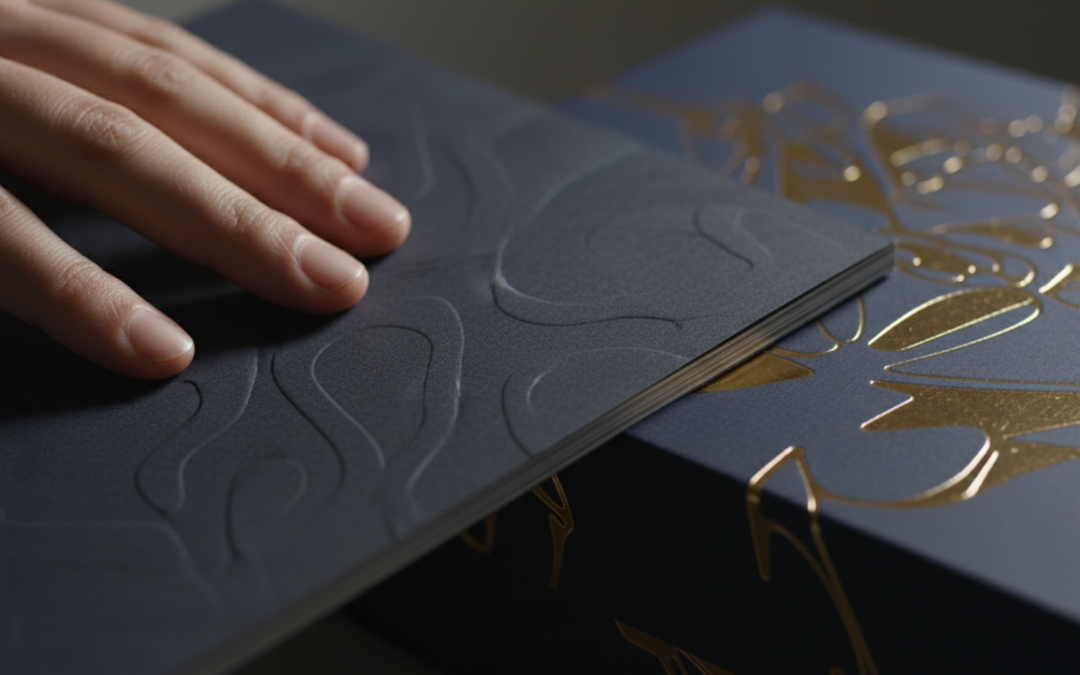
Humans engage with the world through touch long before they rely on sight. It is our primal verification system. When a consumer picks up a brochure, a business card, or a package, their fingertips immediately send data to the brain regarding weight, texture, and temperature. This sensory input happens in milliseconds and forms a subconscious judgment about value before a single word is read. In a landscape dominated by smooth glass screens and fleeting pixels, the physical nature of print offers a rare opportunity to anchor a brand in reality. Marketing directors often focus heavily on visual hierarchy and color theory, yet they frequently underestimate the power of haptics. By ignoring the physical sensation of a marketing piece, brands miss a critical opportunity to bypass skepticism and speak directly to the emotional centers of the customer’s brain. This article explores how specialty finishes convert sensory input into brand equity and why high-quality print is not just an aesthetic choice, but a psychological strategy.
The Neuroscience Behind Haptic Engagement With Print Textures
There is a direct correlation between touch and perceived ownership. Psychologists call this the Endowment Effect. The mere act of holding an object creates a sense of possession and increases the value the holder assigns to it. However, not all physical interactions trigger this effect equally. The intensity of the connection depends on the quality of the tactile experience. Flimsy paper stocks or standard gloss finishes often fail to register as significant in the mind of the consumer. They feel disposable.
Conversely, materials that offer resistance, texture, and weight signal permanence and authority. When a brand manager opts for a heavy cardstock with specific print textures, they are leveraging neural pathways that associate physical weight with importance. This is why luxury car keys are heavy and why premium credit cards are made of metal. The brain equates mass and distinct texture with reliability.
Key Psychological Insight:
Information presented on high-quality paper with tactile finishes is retained longer than information presented on a screen. The multi-sensory engagement requires more cognitive processing, which embeds the memory deeper into the consumer’s mind. This suggests that specialty printing is not merely an expense. It is an investment in memory retention.
Decoding the Emotional Language of Print Finishes
Different print finishes evoke different emotional responses. A polymath approach to marketing requires understanding that you are not just choosing a look. You are choosing a feeling. Here is how specific specialty techniques influence perception:
- Soft Touch Laminates: This finish creates a velvety, suede-like surface that absorbs light rather than reflecting it. Psychologically, this texture evokes feelings of comfort, safety, and sophistication. It invites the hand to linger. Brands in the wellness, luxury real estate, and high-end technology sectors often use soft touch to imply an experience that is smooth, seamless, and premium.
- Foil Stamping: Metallics appeal to our evolutionary attraction to shiny objects, often associated with water or precious metals. Gold, silver, or holographic foils signal scarcity and high value. Using foil stamping elevates the perceived status of the brand. It tells the consumer that the company has resources and pays attention to exquisite details. This is particularly effective for invitations, certificates, and limited-edition packaging.
- Embossing and Debossing: These techniques alter the topography of the paper. An embossed image rises from the page, while a debossed image is pressed into it. This adds a third dimension to a two-dimensional medium. The shadows and highlights created by the relief add gravity to the piece. Embossing suggests tradition, heritage, and steadfastness. It implies that the brand has made a mark that cannot be easily erased.
- Spot UV and High-Build Varnish: By applying a high-gloss coating to specific areas against a matte background, printers create a contrast that demands interaction. The eye is drawn to the difference in light reflection, and the fingers want to investigate the change in texture. This technique highlights key elements like logos or calls to action, guiding the user’s attention physically.
Sensory Congruence: Aligning Touch with Message
The most successful campaigns achieve sensory congruence. This occurs when the tactile sensation of the marketing material matches the visual message and the brand promise. If a company claims to offer rugged, durable outdoor gear, a delicate, high-gloss flyer feels wrong. It creates cognitive dissonance. A textured, un-coated stock with a gritty feel would be congruent.
Strategies for Achieving Congruence:
- Match Weight to Price Point: If you are selling a high-ticket item, your print collateral must feel substantial. A lightweight brochure undermines a luxury price tag.
- Match Texture to Brand Values: Eco-friendly brands should utilize raw, textured papers that feel organic. Tech brands should lean toward sleek, smooth, or soft-touch finishes that mimic modern devices.
- Use Restraint: A common mistake is using every finish available. This leads to sensory overload. Select one or two finishes that enhance the focal point of the design. The goal is to guide the experience, not overwhelm it.
When the hand feels what the eyes see, trust is established. The brain accepts the message as authentic because the sensory inputs align. This reduces the friction in the sales process and opens the door for higher conversion rates.
Cementing Brand Authority Through Texture
In an environment where competitors are shouting for attention, whispering can be more effective if the whisper is felt. Specialty finishes provide that quiet, authoritative difference. They transform a standard piece of paper into an interactive object. The investment in tactile marketing strategies yields returns by increasing the perceived value of the offering and distinguishing the brand from competitors who rely solely on visual stimulation. By thoughtfully selecting textures, weights, and finishes, marketing directors can craft an experience that resonates on a neurological level. The final impression left in the hands of the consumer often dictates the longevity of the business relationship. Quality print ensures that the impression is one of excellence.
Contact Us Now for More Information
Phone: (413) 442-4166


Recent Comments